
Everyday life
The shape of the city
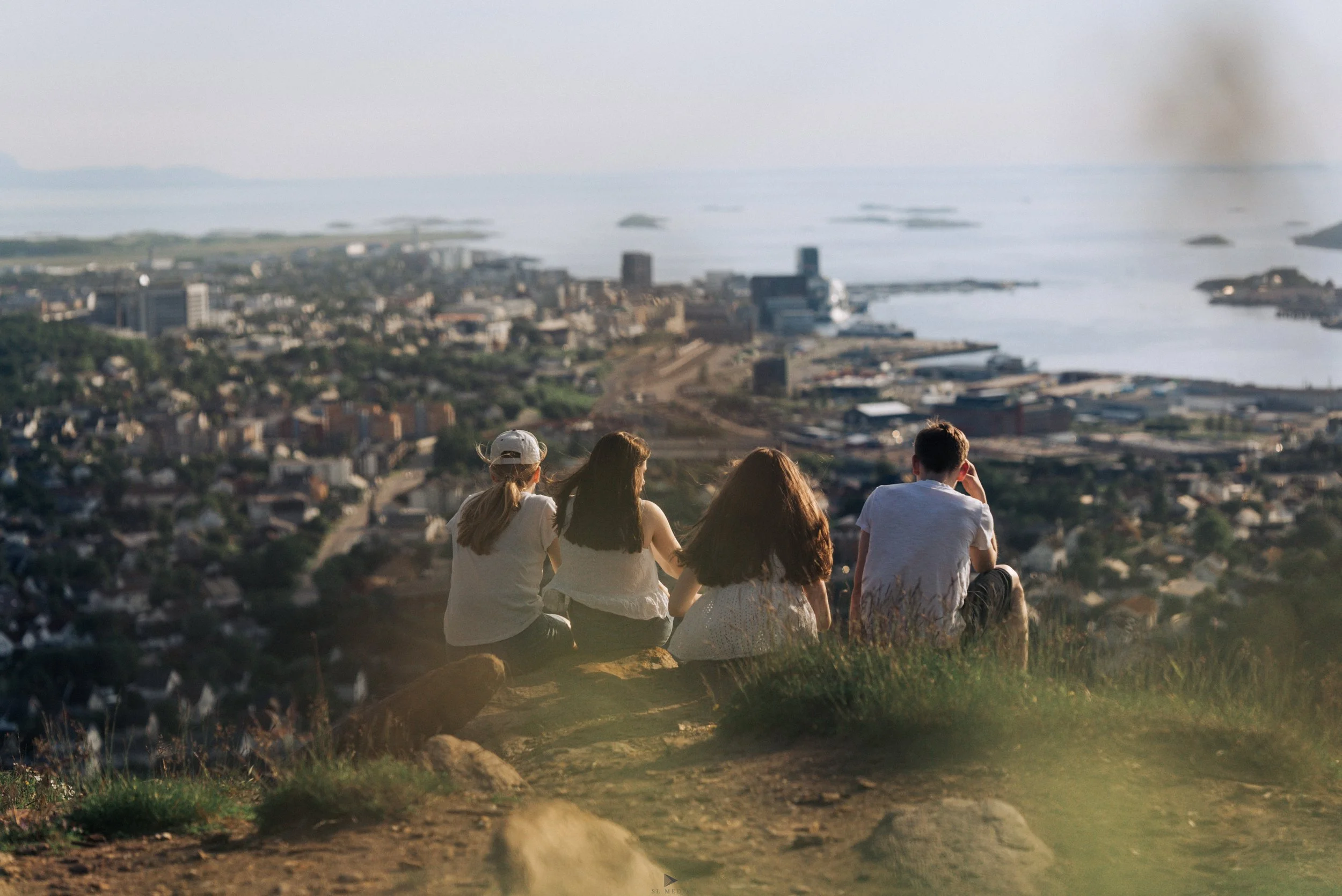
Bodø lies just north of the Arctic Circle, on a peninsula between Vestfjorden and Saltfjorden. The city has a clear shape. Water on both sides, mountains within sight, and a centre that can be understood without effort.
Distances are short. Most daily activities take place within a limited area, and the city is used accordingly. Moving through Bodø rarely requires advance planning or shifts between very different settings.
As the administrative centre of Nordland, Bodø carries regional functions. In everyday use, the city feels concentrated. Workplaces, services, and meeting places sit close to one another, and the city remains active throughout the day rather than at specific moments.
Orientation comes quickly. Knowing where you are becomes part of the day.

The working day
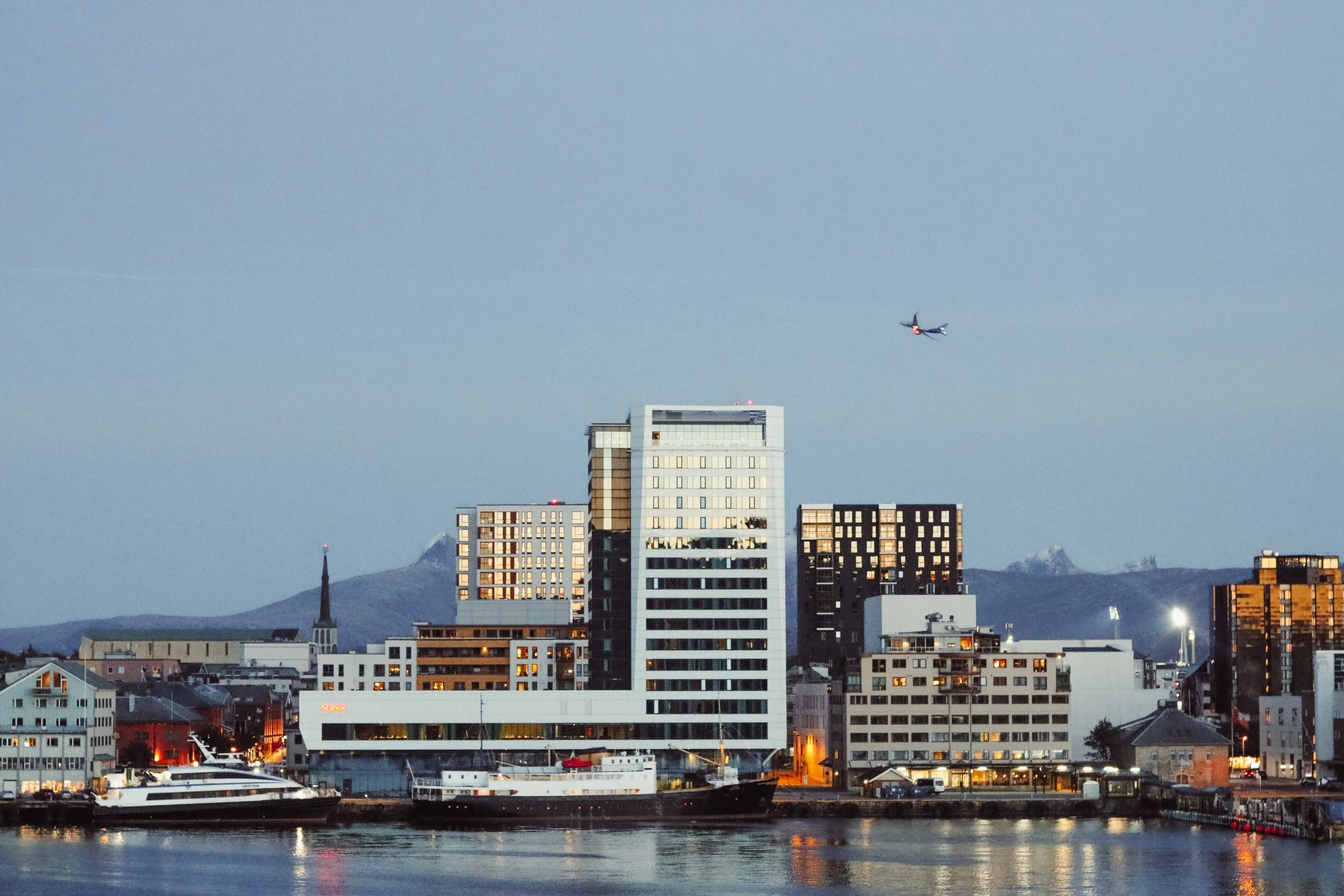
Work is present without dominating the day. Many workplaces are located close to where people live, and commuting tends to be short. The transition between home and work rarely involves long stretches of travel or a change in pace.
The working day fits the city’s scale. Mornings begin without urgency, and afternoons leave room for what follows. Moving from work into the rest of the day often happens without interruption.
Employment spans both public and private sectors, with different professions operating side by side within the same urban area. Work remains one element among others.
Between places
When the working day ends, the city continues in the same direction. The distance between work, home, and everyday destinations stays small, and the pace carries through.
Movement often happens in short sequences. A stop at a café, a walk along the water, a brief errand, a meeting that was not planned far in advance. These moments fold into the day as it unfolds.
Nature is present throughout. The coastline, paths, and open views sit alongside streets and buildings, used in passing as much as with intention. Time outdoors often becomes part of the route.


Daily movement
Daily routines are shaped by proximity. Schools, kindergartens, shops, and public services are typically reached within the same movement patterns that define the rest of the day. Errands and obligations sit close to where people already are.
This closeness reduces the need for coordination. Smaller tasks are handled alongside work, family life, or leisure, without being separated into their own time blocks.
Public transport, walking, and cycling form a flexible system. Modes of movement shift with distance and conditions, supported by the city’s layout.
Familiar paths
Everyday life is carried by repeated movements. Places people return to. Routes that become familiar. Times of day when the city feels briefly shared.
Meetings often happen without long planning. Familiar faces appear across different parts of the day as daily paths overlap.
Public spaces are used in passing. A bench, a corner, a stretch of pavement by the water. Parts of the day that remain open.
Over time, these patterns settle. The city allows itself to be learned.


Voices
Some describe the days as slower than expected. Others notice how little time is spent moving between places. A few mention how quickly routines form.
The observations differ, yet return to similar details. How the city holds together. The absence of long transitions. Being present in the day.
Everyday life in Bodø shifts with season, work, family, and habit. The rhythm adjusts, and continues.